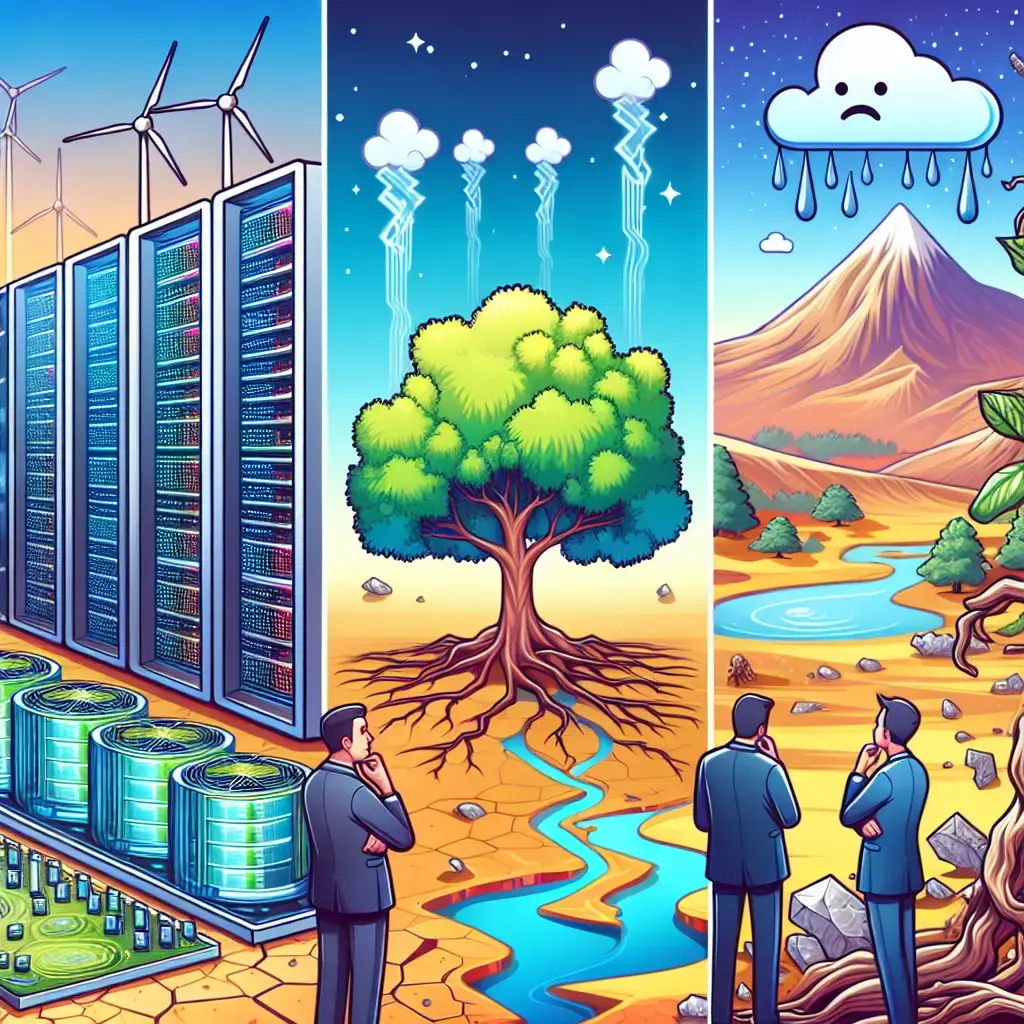
As the world increasingly embraces digital currencies, the environmental impact of cryptocurrency mining has become a critical concern, with Toncoin mining at the forefront of this discussion. The effects of cryptocurrency mining are multifaceted, touching on everything from energy consumption to pollution. Understanding Toncoin's energy consumption is vital as it directly influences blockchain sustainability. In an era where eco-friendly cryptocurrency mining is becoming a necessity rather than a choice, evaluating the carbon footprint of Toncoin is crucial for fostering sustainable blockchain solutions.
Toncoin mining pollution is not just a localized issue but a global one, necessitating a broader dialogue on the environmental cost of Toncoin. Amid growing awareness and concern about climate change, many are seeking green cryptocurrency alternatives that promise to reduce crypto mining emissions. This exploration includes the potential for integrating renewable energy into crypto mining to mitigate adverse environmental impacts. The transition to energy-efficient blockchain technology not only represents a significant leap forward in reducing the environmental challenges of Toncoin mining but also aligns with the global push for sustainability.
Moreover, understanding Toncoin mining regulations is essential for stakeholders aiming to foster an environmentally responsible crypto ecosystem. Regulatory frameworks can drive innovation towards more sustainable practices and ensure that the environmental costs of Toncoin do not outweigh its technological benefits. By promoting energy-efficient blockchain technology, there's an opportunity to pave the way for reduced emissions and less resource-intensive operations.
The environmental challenges of Toncoin mining highlight the urgent need for innovative solutions and collaborative efforts among industry leaders, policymakers, and environmental advocates. By delving into these complexities, we can begin to envision a future where cryptocurrency aligns with ecological sustainability. This conversation sets the stage for a deeper exploration of how green technology and strategic policy can transform the crypto landscape into a model of environmental stewardship.
In the following sections, we'll explore various dimensions of Toncoin mining's environmental impact, examining both challenges and potential solutions that can drive a sustainable future for digital currencies.
As the digital currency landscape evolves, the environmental impact of cryptocurrency mining has become a focal point of discussion. Among these, Toncoin mining is at the forefront, raising significant concerns about its environmental footprint. This exploration delves into the multifaceted effects of Toncoin mining, from energy consumption to pollution, and examines potential solutions for a sustainable blockchain future.
The Rise of Toncoin and Its Market Dynamics
Toncoin's growing prominence in the crypto market is evident from recent developments. The token recently experienced a 14.8% surge following its listing on Binance, one of the world's largest cryptocurrency exchanges. This move is expected to boost Toncoin's market presence and liquidity significantly, enhancing its ecosystem's growth and adoption (source). However, with increased market activity comes the need to scrutinize the environmental ramifications of Toncoin mining.
Cryptocurrency Mining Effects and Toncoin Energy Consumption
Cryptocurrency mining is notorious for its high energy consumption, a significant concern for blockchain sustainability. Toncoin mining is no exception. The process requires substantial computational power, contributing to high energy usage and increased carbon emissions. The carbon footprint of Toncoin is a crucial metric that stakeholders must consider to align with global sustainability goals.
Recent reports indicate that Toncoin is clustered around a critical resistance level, suggesting potential price rallies (source). While these rallies are financially promising, they underscore the need to address the environmental cost of Toncoin.
Environmental Cost of Toncoin and Mining Pollution
The environmental cost of Toncoin extends beyond energy consumption to include pollution. Mining operations often rely on fossil fuels, exacerbating carbon emissions and contributing to global pollution. As concerns about climate change grow, there is a pressing need for green cryptocurrency alternatives that promise reduced emissions.
A recent initiative by TON Blockchain and Animoca Brands aims to drive the adoption of eco-friendly cryptocurrency mining practices. Their $20M initiative seeks to reach 1.6 billion users and promote sustainable blockchain solutions (source). Such partnerships highlight the potential for integrating renewable energy into crypto mining to mitigate adverse environmental impacts.
Regulatory Frameworks and Energy-Efficient Blockchain Technology
Understanding Toncoin mining regulations is essential for fostering an environmentally responsible crypto ecosystem. Regulatory frameworks can drive innovation towards more sustainable practices, ensuring that the benefits of blockchain technology do not come at an unsustainable environmental cost.
Moreover, the transition to energy-efficient blockchain technology represents a significant leap forward in reducing the environmental challenges of Toncoin mining. By promoting technologies that lower energy consumption and emissions, stakeholders can work towards reducing the carbon footprint of Toncoin.
Challenges and Opportunities for Sustainable Blockchain Solutions
Despite these efforts, challenges remain. Recent news highlighted potential exit scams associated with TON Turbo, which encouraged users to profit from mining $TON and $SHIB via a Telegram chatbot (source). Such incidents raise questions about the security and sustainability of current mining practices.
However, these challenges also present opportunities for innovation. By leveraging renewable energy sources and adopting stricter mining regulations, the industry can develop sustainable blockchain solutions that align with global environmental goals.
Engaging Stakeholders in Environmental Stewardship
The environmental challenges of Toncoin mining highlight the urgent need for collaborative efforts among industry leaders, policymakers, and environmental advocates. By engaging stakeholders in meaningful dialogue, we can envision a future where cryptocurrency aligns with ecological sustainability.
Rhetorically speaking, can the cryptocurrency industry pivot towards greener practices? With initiatives like those by Animoca Brands and regulatory support, there is hope for a sustainable transformation.
Conclusion
The exploration of Toncoin mining's environmental impact underscores several critical issues and opportunities within the cryptocurrency landscape. To summarize the key points discussed:
Energy Consumption and Carbon Emissions:
- Toncoin mining, like many cryptocurrencies, involves high energy consumption, which contributes to significant carbon emissions. This environmental cost demands urgent attention to align with global sustainability goals.
Pollution and Fossil Fuel Dependency:
- The reliance on fossil fuels for mining operations exacerbates global pollution and heightens the urgency for green cryptocurrency alternatives. Sustainable practices must be prioritized to mitigate these adverse effects.
Regulatory Frameworks:
- Understanding and implementing robust regulatory frameworks are essential for fostering an environmentally responsible crypto ecosystem. These regulations can drive innovation towards sustainable mining practices.
Innovation and Renewable Energy:
- Initiatives like the $20M project by TON Blockchain and Animoca Brands highlight the potential for integrating renewable energy sources in cryptocurrency mining. Such innovations are crucial for reducing the environmental footprint of digital currencies.
Challenges and Opportunities:
- While challenges such as potential exit scams pose risks, they also present opportunities for developing secure and sustainable blockchain solutions.
Stakeholder Engagement:
- Collaborative efforts among industry leaders, policymakers, and environmental advocates are vital for achieving a sustainable digital currency ecosystem.
The path forward for Toncoin mining and the broader cryptocurrency industry lies in embracing eco-friendly practices and renewable energy solutions. By prioritizing these approaches, stakeholders can work towards a balanced ecosystem that supports technological advancement while ensuring environmental responsibility.
As we reflect on these insights, it is essential to consider how each of us can contribute to this transformative journey towards sustainability in the crypto world. I encourage you to share your experiences, insights, or thoughts on this topic in the comments below. Your engagement can inspire meaningful dialogue and action towards a greener future.
Thank you for joining me on this exploration of Toncoin's environmental impact. Together, let's envision a cryptocurrency landscape that harmonizes with our planet's needs.
Author: Oliver Hastings